GlennMyers.info
writer & creative
Extracts
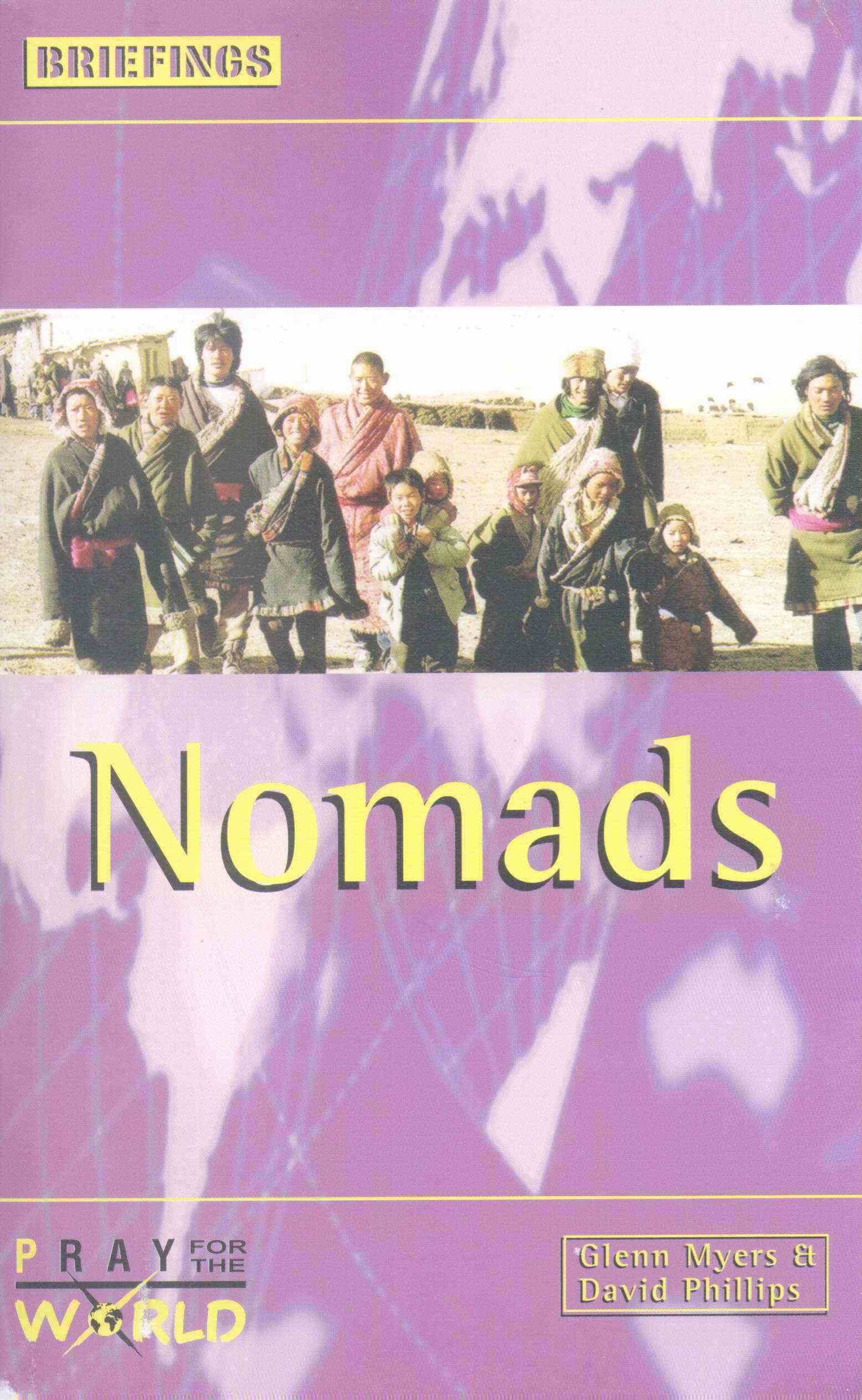
You hear the deep clonk of cowbells and look up to watch a handful of tall men leading bony cattle rhythmically down a red-soiled African trail. Or you glimpse a cluster of felt tents in a fold of Mongolian grasslands. On the Tibetan plateau, where valley floors are higher than Alpine peaks, shepherds lead yaks to forage for greenery among rocks and gravel. Deep in the Arctic, Siberian herders lead reindeer from tundra to taiga as the summer fails.
The nomadic pastoralists, more than any peoples, skirt the margins of the world.
When John's gospel sums up Jesus' earthly life, it uses a Greek word that literally means 'dwelt in tent'. 'The Word became flesh and camped among us.'
Early Christians thought of themselves as travellers and strangers, united by loyalty to each other and to their Shepherd Lord, not to nation and property. This is the mindset of the nomad.
Christian theology uses themes to understand God and his dealings with people: covenant ... law ... people of God ... kingdom. Because theology is written by settled people, it has neglected one big theme: a travelling people in a pastoral relationship with God.
To understand and serve the world of the nomad, we settled Christians need to 'unsettle' our minds a little. When we see poverty, disease, illiteracy, child-mortality, and, more profoundly, spiritual lostness among the nomads we want to set all this right by curing them of nomadism.
But nomadism does not appear to be a problem for God. Shepherding flocks in the desert seems to have been God's preferred school for Old Testament leadership positions.
The way to serve nomads is not to settle them, but to travel and learn with them, and to point them to a greater Shepherd.
Back